

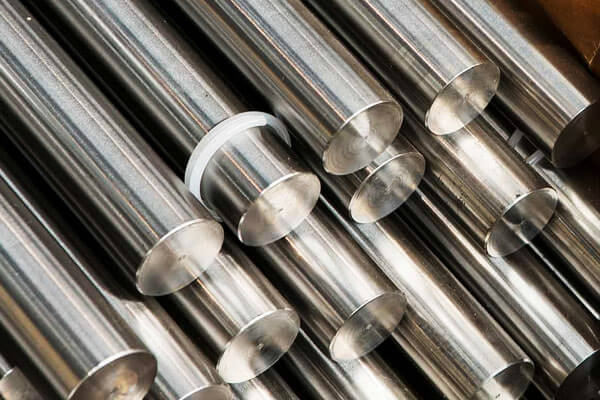
Industrial system reliability depends significantly on component materials proven to perform consistently under sustained operational stress. Understanding what builds this kind of proven reliability helps engineers make more confident material selection decisions. Exploring this reliability helps illustrate why certain material choices continue earning strong, lasting industry trust. Setting clear expectations from the outset helps avoid confusion or disappointment later in the process.
Why System Reliability Depends on Proven Material Performance
Industrial systems depend on consistent component performance to avoid the costly downtime and safety risks associated with unexpected failures. Materials with a proven track record provide engineers greater confidence compared to newer, less established alternatives. Understanding this reality helps explain why proven reliability deserves genuine priority within material selection decisions. Recognizing this importance supports more confident, risk-conscious engineering decisions. Planning ahead rather than reacting to problems after they arise consistently produces better overall outcomes.
The Reliable Performance of Nickel Alloy Pipe in Industrial Systems
Specifying nickel alloy pipe for industrial systems provides engineers with a material proven to perform reliably across decades of demanding real-world applications. This established track record spans chemical processing, marine, and high-temperature applications, building significant industry confidence in its consistent performance. Its reliability under sustained stress explains why this material continues earning trust for genuinely critical system components. This combination of proven performance and industry confidence explains its continued strong consideration for reliability-focused projects.
How Documented Performance History Builds Engineering Confidence
Materials with extensive documented performance data allow engineers to make decisions based on proven, rather than theoretical, real-world results. This confidence significantly reduces project risk, particularly for systems where failure would carry serious safety or financial consequences. Understanding this connection helps illustrate why proven materials often justify their cost for critical industrial applications. Recognizing this value supports more informed material selection for reliability-critical engineering projects. Small details, often overlooked at first glance, can make a meaningful difference in the final result.
Consistency Across Varying Operating Conditions
Reliable materials maintain consistent performance despite the inevitable fluctuations in temperature, pressure, and chemical exposure that occur during actual operation. This consistency supports more predictable system behavior, reducing the uncertainty that can complicate operational planning and maintenance scheduling. Understanding this benefit helps engineers appreciate why consistency across conditions matters as much as peak performance capability alone. This reliability significantly supports overall system predictability and operational confidence.
Choosing Reliable Materials for Critical System Components
Consulting with experienced engineers helps confirm whether a proven material genuinely suits a specific system’s particular requirements and operating conditions. Reviewing case studies and documented performance history provides additional confidence when specifying materials for critical applications. Working with reputable suppliers ensures access to genuine, properly certified materials for reliability-critical systems. This careful, informed approach helps engineers build genuinely reliable industrial systems. Consistent attention over time tends to produce far better results than occasional, sporadic effort.
Conclusion
Proven material reliability continues playing an essential role in supporting confident engineering decisions for critical industrial systems. Understanding documented performance history helps engineers make more informed, trustworthy material selection decisions. With careful attention to proven reliability, industrial systems can continue delivering the consistent performance their applications demand. Staying informed about industry standards helps property owners and businesses make more confident, educated decisions.